Benefits of IFAS for Enhanced Biological Nutrient Removal
Jan 16, 2023
Challenges
Challenges Faced by Existing Plants Wastewater treatment plants that employ conventional biological treatment processes designed to meet secondary treatment effluent standards typically do not remove total nitrogen (TN) or total phosphorus (TP) to the extent needed to protect receiving waters. However, wastewater treatment facilities are increasingly being required to address this issue by implementing treatment processes that reduce effluent nutrient concentrations to levels that regulators deem sufficient to protect the environment. Implementation usually involves major process modifications to a plant, such as: making a portion of the aeration basin anaerobic and/or anoxic, which reduces the aerobic volume and limits nitrification capacity. Clarifier solids loading is usually the factor that limits the concentration of biomass available for nitrification, so common practice is to increase bioreactor volume in order to increase treatment capacity. This can be very expensive and sometimes impossible if space is limited.
Solution
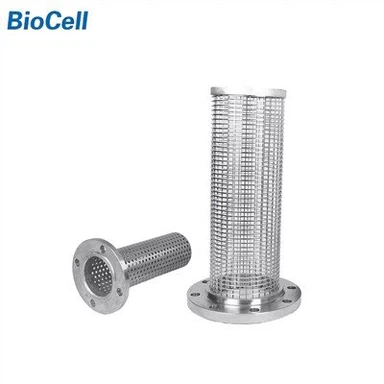
One cost-effective solution to achieve Biological Nutrient Removal is the BioCell process, developed by BioCell Company. The BioCell process employs the benefits of fixed-film systems into the suspended growth activated sludge process. This hybrid process is referred to as Integrated Fixed-film Activated Sludge (IFAS) technology. The BioCell IFAS process is typically divided into a series of stages that include anaerobic, anoxic, and aerobic volumes. Within the BioCell IFAS process, media is filled in the aerobic stages and retained by stainless steel wedge-wire screens located at the effluent end of the process stage.


https://www.biocell-enviro.com/