


Why Choose Stainless Steel Coarse Bubble Diffusers for Wastewater Treatment?
Jan 07, 2026
In modern wastewater treatment plants-especially those using MBBR (Moving Bed Biofilm Reactor) technology-the choice of aeration equipment can make or break system efficiency, maintenance costs, and long-term reliability. While many facilities still rely on traditional plastic or EPDM rubber diffusers, a growing number of engineers and plant operators are switching to stainless steel coarse bubble diffusers for demanding applications. But why?

In this article, we'll explore the key advantages of stainless steel coarse bubble diffusers, compare them with conventional materials, and explain why they're becoming the go-to solution for industrial and municipal wastewater projects worldwide.
The Limitations of Plastic and EPDM Diffusers
Traditional coarse bubble diffusers for wastewater are often made from PVC, polypropylene, or EPDM rubber. These materials are cost-effective upfront but suffer in harsh environments:
* Corrosion vulnerability: Degrade quickly in acidic, alkaline, or high-chloride wastewater (e.g., food processing, chemical plants, coastal areas).
* Temperature sensitivity: Lose structural integrity above 60°C.
* Aging and brittleness: UV exposure and oxidation cause cracking over time.
* Frequent replacement: Average lifespan of just 3–7 years, leading to higher long-term costs.
Why Stainless Steel Coarse Bubble Diffusers Stand Out
Made from high-grade SS304 or SS316 stainless steel, these diffusers offer unmatched durability and performance:
1. Superior Corrosion Resistance
Stainless steel withstands aggressive wastewater conditions-including high salinity, sulfides, and extreme pH-without degradation. SS316, with added molybdenum, is especially effective in chloride-rich environments like seawater or desalination pretreatment.
2. High-Temperature Stability
Operates reliably at temperatures up to 80–100°C, making it ideal for industrial effluents from breweries, dairies, or chemical processes.
3. Mechanical Strength & Longevity
Resistant to impact, abrasion, and biofouling. With proper design, a stainless steel coarse bubble diffuser can last 15–20 years-more than double the life of plastic alternatives.
4. Low Maintenance, Lower TCO
No need for frequent cleaning or replacement. This translates to reduced downtime, labor costs, and spare parts inventory-lowering your total cost of ownership (TCO).
Typical Applications
Stainless steel coarse bubble diffusers excel in:
* MBBR and IFAS biofilm reactors
* Industrial wastewater treatment (food & beverage, pharmaceuticals, textiles)
* Municipal plants in coastal regions
* High-temperature or high-salinity effluent streams

Stainless Steel vs Plastic Diffuser: A Quick Comparison
| Feature | Stainless Steel Coarse Bubble Diffuser | Plastic / EPDM Diffuser |
| Material | SS304 / SS316 | PVC, PP, EPDM |
| Lifespan | 15–20+ years | 3–7 years |
| Corrosion Resistance | Excellent | Poor to moderate |
| Maintenance Needs | Very low | High (clogging, aging) |
| Initial Cost | Higher | Lower |
| Long-Term Value | Superior | Limited |
Make the Smart Investment Today
While the upfront cost of a stainless steel coarse bubble diffuser may be higher, its durability, reliability, and minimal maintenance deliver significant savings over time-especially in challenging wastewater environments.
Looking for a durable, low-maintenance aeration solution?
Contact our engineering team for a free system review and custom quote
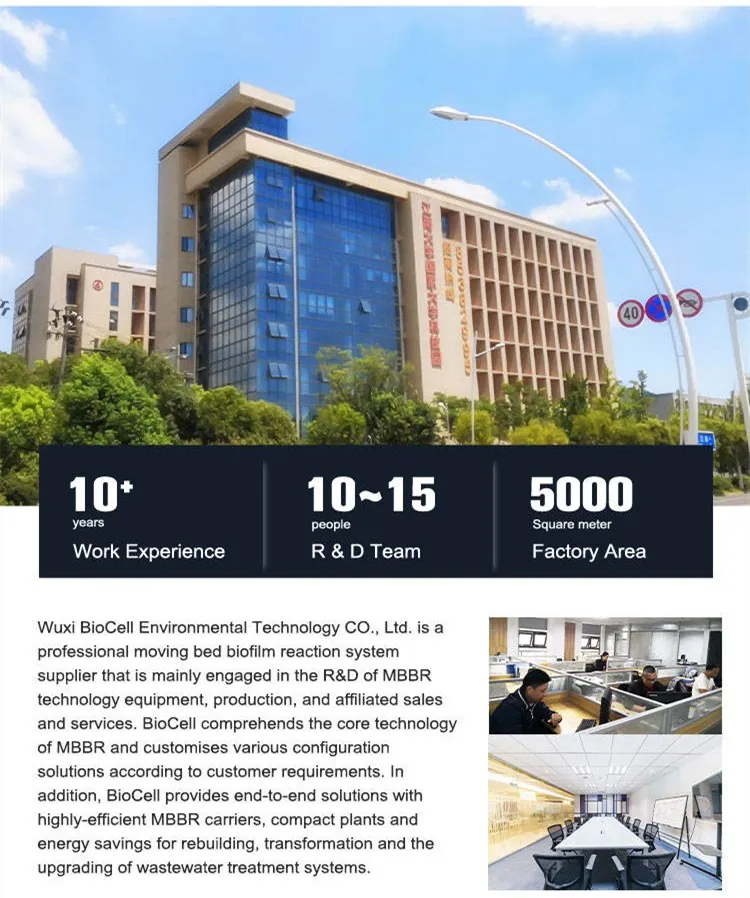
At BioCell, we design and manufacture ISO-certified stainless steel coarse bubble diffusers trusted by clients across Asia, the Middle East, and Africa. Let us help you build a wastewater treatment system that lasts.

https://www.biocell-enviro.com/


