


Advanced Shaftless Screw Conveyor Solutions for Efficient Sludge and Solid Waste Handling
In wastewater treatment plants and industrial processing facilities, transporting sticky, wet, fibrous, and difficult-to-handle materials is a major operational challenge. Traditional conveying systems often suffer from material wrapping, clogging, frequent maintenance, and unstable operation when handling sludge, screenings, and high-moisture solids.
The BioCell Shaftless Screw Conveyor provides an efficient and reliable solution for these demanding applications.

Unlike conventional shafted screw conveyors, the shaftless design eliminates the central shaft, creating a larger conveying area and preventing materials from becoming trapped or wrapped around internal components. This makes it especially suitable for transporting:
| ● Dewatered sludge | ● Sewage sludge | ● Screenings | ● Organic waste |
| ● Food waste | ● Paper mill residues | ● Biomass materials | ● Industrial solid waste |
Designed for continuous operation in harsh environments, BioCell Shaftless Screw Conveyors combine a heavy-duty spiral system, corrosion-resistant materials, enclosed structure, and customized engineering to deliver stable material handling performance with minimal maintenance.
As a professional wastewater treatment equipment manufacturer, BioCell provides customized shaftless screw conveyor solutions for municipal wastewater plants, industrial wastewater facilities, EPC contractors, environmental engineering companies, and global distributors.
-
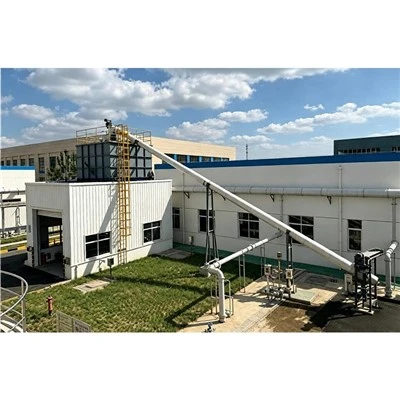
![Shaftless Screw Conveyor For Sludge Handling]()
Shaftless Screw Conveyor For Sludge Handling
Add to Inquiry
Your Trusted Shaftless Screw Conveyor Manufacturer
Choosing the right equipment manufacturer directly impacts project success. BioCell combines wastewater treatment expertise, advanced manufacturing capabilities, and customized engineering services to provide reliable conveying solutions for global customers.
Specialized Wastewater Treatment Experience
BioCell focuses on environmental protection equipment and wastewater treatment technologies. Our engineering team understands the challenges involved in:
● Sludge transportation
● Pretreatment systems
● Solid-liquid separation
● Wastewater process integration
This industry expertise allows us to recommend the most suitable conveyor design for each application.
Complete Wastewater Equipment Portfolio
BioCell provides integrated wastewater treatment solutions including:
● Rotary Drum Screen
● Shaftless Screw Conveyor
● Screw Press Sludge Dewatering Machine
● MBBR Integrated Wastewater Treatment System
● MBBR Bio Media
● Media Retention Screen
● Coarse Bubble Diffuser
This complete product portfolio allows customers to build efficient and compatible wastewater treatment systems from a single supplier.
Customized Engineering Solutions
Different materials require different conveying solutions. BioCell provides customized designs including:
● Conveyor diameter
● Conveyor length
● Inclination angle
● Spiral thickness
● Trough design
● Liner material
● Motor selection
● Control system
● Installation method
Our engineers analyze your material characteristics and operating conditions to provide the optimal configuration.
Durable Construction & Reliable Performance
BioCell Shaftless Screw Conveyors are manufactured using high-quality materials and precision production processes.
Key advantages include:
● Corrosion-resistant stainless steel options
● Heavy-duty spiral structure
● Wear-resistant liners
● Reliable gear motor systems
● Enclosed hygienic design
These features ensure stable operation even in demanding wastewater and industrial environments.
What Is a Shaftless Screw Conveyor?
A Shaftless Screw Conveyor is a mechanical conveying system designed to transport sludge, solids, and bulk materials using a rotating spiral without a central shaft. Unlike traditional screw conveyors that rely on a rotating screw mounted around a shaft, shaftless conveyors use a heavy-duty spiral that rotates freely inside a U-shaped trough. The absence of a central shaft creates several important advantages:
Larger Conveying Space
Without a center shaft occupying the internal space, materials can move more freely through the conveyor. This makes shaftless screw conveyors ideal for:
| ● Sticky sludge | ● High-moisture materials | ● Fibrous waste | ● Stringy materials |
Reduced Material Wrapping
Traditional shafted conveyors may experience materials wrapping around the shaft, causing blockage and maintenance issues. The shaftless design eliminates this problem, improving reliability and reducing downtime.
Better Handling of Difficult Materials
Shaftless screw conveyors are especially effective for materials that are difficult to transport using conventional systems. Typical materials include:
| ● Sewage sludge | ● Dewatered sludge cake | ● Screenings | ● Food waste |
| ● Paper pulp | ● Biomass | ● Industrial residues |
Compact and Flexible Installation
The enclosed trough design allows installation in:
| ● Horizontal layouts | ● Inclined systems | ● Limited-space facilities | ● Integrated treatment systems |
Main Components
A typical shaftless screw conveyor consists of:
| 1. Heavy-duty shaftless spiral | 3. Wear-resistant liner | 5. Inlet hopper | 7. Supporting structure |
| 2. U-shaped conveyor trough | 4. Gear motor drive system | 6. Discharge outlet | 8. Control system |
Together, these components provide continuous, efficient, and low-maintenance material transportation.
How Does a Shaftless Screw Conveyor Work?
A Shaftless Screw Conveyor is a highly efficient mechanical conveying system specifically designed to transport sticky, wet, fibrous, and irregular materials that are difficult to handle with conventional shafted screw conveyors. It is widely used in wastewater treatment plants, industrial processing facilities, recycling centers, and solid waste handling systems. Unlike traditional screw conveyors, a shaftless screw conveyor eliminates the central shaft and uses a heavy-duty shaftless spiral rotating inside a U-shaped trough lined with wear-resistant material. This innovative design significantly reduces material wrapping, clogging, and maintenance while increasing conveying capacity. The conveying process consists of the following steps:
Step 1: Material Feeding
The material enters the conveyor through the inlet hopper or feed chute. Typical materials include:
| ● Dewatered sludge | ● Municipal sewage sludge | ● Screenings from rotary drum screens |
| ● Organic waste | ● Food processing waste | ● Paper pulp |
| ● Textile fibers | ● Biomass residues | ● Industrial solid waste |
The open shaftless design allows bulky and irregular materials to enter smoothly without bridging or blockage.
Step 2: Spiral Rotation
A gear motor drives the shaftless spiral at a controlled speed. As the spiral rotates inside the trough, friction between the material and the spiral continuously pushes the material forward toward the discharge outlet.
Unlike shafted conveyors, there is no center shaft restricting material flow. Advantages include:
| ● Larger conveying volume | ● Higher transport efficiency |
| ● Reduced resistance | ● Improved handling of high-moisture materials |
Step 3: Material Conveying
The rotating shaftless spiral continuously transports materials along the conveyor. The wear-resistant liner installed inside the trough supports the spiral while minimizing friction and extending equipment life. Even difficult materials such as:
| ● Long fibers | ● Sticky sludge | ● Stringy waste | ● Plastic strips | ● Food residues |
can be conveyed efficiently without wrapping around rotating components.
Step 4: Material Discharge
The conveyed material reaches the discharge outlet and is transferred to the next processing stage. Typical discharge destinations include:
| ● Sludge storage hoppers | ● Screw press dewatering machines | ● Incineration systems | ● Landfill containers |
| ● Drying equipment | ● Composting systems | ● Waste transportation trucks |
The process operates continuously, making shaftless screw conveyors ideal for automated wastewater treatment plants.
Types of Shaftless Screw Conveyors
Different industries require different conveyor configurations. BioCell offers multiple shaftless screw conveyor designs to meet diverse operational requirements.
Horizontal Shaftless Screw Conveyor
The most common configuration for short- and medium-distance conveying.
Advantages
● Maximum conveying efficiency
● Low power consumption
● Easy installation
● Stable operation
Typical Applications
● Wastewater treatment plants
● Sludge handling
● Food processing
● Recycling systems
Inclined Shaftless Screw Conveyor
Designed for lifting materials to higher elevations.
Typical Inclination:
● 15°
● 20°
● 30°
● Up to 45° (depending on material)
Applications Include:
● Sludge transfer
● Hopper feeding
● Truck loading
● Equipment integration
Vertical Shaftless Screw Conveyor
Suitable for projects requiring significant height differences.
Applications:
● Limited installation space
● Multi-level production lines
● Compact wastewater facilities
Heavy-Duty Shaftless Screw Conveyor
Designed for abrasive and high-density materials.
Applications:
● Mining
● Biomass
● Chemical industry
● Industrial sludge
Shaftless Screw Conveyor vs. Shafted Screw Conveyor
Many engineers compare shaftless and shafted screw conveyors when selecting material handling equipment. Understanding their differences helps ensure the best choice for each application.
| Feature | Shaftless Screw Conveyor | Shafted Screw Conveyor |
| Center Shaft | None | Yes |
| Sticky Material Handling | Excellent | Moderate |
| Fibrous Material Handling | Excellent | Limited |
| Clogging Resistance | Excellent | Lower |
| Material Wrapping | Minimal | More Likely |
| Conveying Capacity | Higher for difficult materials | Higher for free-flowing materials |
| Maintenance | Low | Moderate to High |
| Suitable Materials | Sludge, screenings, waste | Dry powders, grains, pellets |
Which Conveyor Is Better?
A shaftless screw conveyor is the preferred choice for wastewater treatment and sludge handling because it minimizes clogging and handles difficult materials with ease.
A shafted screw conveyor is better suited for dry, free-flowing materials such as cement, grain, sand, and powders where a center shaft does not interfere with material flow.
Key Features & Benefits of Shaftless Screw Conveyor
BioCell Shaftless Screw Conveyors are engineered to deliver exceptional reliability, high conveying efficiency, and reduced maintenance costs in challenging operating environments.
Clog-Free Shaftless Design
The absence of a center shaft eliminates the primary cause of material wrapping and blockage. This allows the conveyor to transport:
| ● Sticky sludge | ● Long fibers | ● Organic waste | ● Screenings | ● High-moisture solids |
Excellent Performance with Difficult Materials
Unlike conventional conveyors, BioCell Shaftless Screw Conveyors maintain smooth operation even when handling materials that are:
| ● Wet | ● Sticky | ● Fibrous | ● Irregularly shaped | ● Abrasive |
This versatility makes them ideal for municipal and industrial wastewater treatment.
High Conveying Efficiency
The open spiral design increases the effective conveying area, enabling larger material volumes to be transported with lower energy consumption. Benefits include:
| ● Improved productivity | ● Faster material transfer | ● Reduced operating costs |
Heavy-Duty Spiral Construction
Manufactured from high-strength alloy steel, the shaftless spiral offers excellent resistance to wear, fatigue, and deformation, ensuring reliable long-term operation in demanding applications.
Low Maintenance Requirements
With fewer moving parts and no center shaft to trap materials, maintenance is significantly reduced. Routine service mainly includes:
| ● Inspecting the spiral | ● Checking the liner condition | ● Lubricating bearings | ● Verifying motor performance |
This minimizes downtime and lowers lifecycle costs.
Wear-Resistant Liner System
Replaceable liners protect the trough from abrasion while reducing friction between the spiral and the trough. Advantages include:
| ● Longer equipment lifespan | ● Reduced replacement costs | ● Easier maintenance |
Corrosion-Resistant Construction
BioCell offers SS304 and SS316 stainless steel options for corrosive wastewater environments, ensuring long-term durability and reliable performance.
Fully Enclosed Operation
Optional covers prevent:
| ● Odor emissions | ● Dust generation | ● Material spillage | ● Environmental contamination |
This improves workplace safety and supports environmental compliance.
Flexible Installation
BioCell Shaftless Screw Conveyors can be configured for:
| ● Horizontal conveying | ● Inclined conveying | ● Vertical conveying | ● Indoor installations | ● Outdoor installations |
This flexibility allows seamless integration into new or existing treatment systems.
Intelligent Automation
Optional PLC control, VFD speed regulation, remote monitoring, and SCADA integration enable intelligent operation, improved process control, and reduced manual intervention.
Customized Engineering Solutions
Every project is unique. BioCell provides tailored conveyor designs based on material characteristics, conveying distance, installation conditions, and process requirements. From compact units for small treatment plants to heavy-duty systems for large industrial facilities, our engineering team delivers optimized solutions that maximize performance and long-term value.
Technical Specifications - Engineered for Sludge Handling & Industrial Material Transfer
BioCell Shaftless Screw Conveyors are designed to provide reliable and efficient conveying solutions for challenging materials, including sludge, screenings, fibrous waste, and high-moisture solids. With a robust shaftless spiral design, corrosion-resistant materials, and customizable configurations, BioCell conveyors meet the demanding requirements of municipal wastewater treatment plants and industrial applications worldwide.
The following specifications represent typical design capabilities. Customized solutions are available according to material characteristics, conveying capacity, installation conditions, and project requirements.
| Model |
Flowrate (m³/h) |
Power (KW) |
A (mm) |
B (mm) |
H (mm) |
L1 (mm) |
L2 (mm) |
Recommended Length L(mm) |
Installation Angle |
| LSY260 | 2.2 | 1.1~1.5 | 260 | 370 | 270 | 150 | 600 | ≤12 | ≤30° |
| LSY320 | 5.5 | 1.5~2.2 | 320 | 430 | 340 | 200 | 700 | ≤15 | ≤30° |
| LSY355 | 8 | 2.2~3.0 | 355 | 465 | 380 | 250 | 800 | ≤15 | ≤30° |
| LSY420 | 11 | 3.0~5.5 | 420 | 530 | 430 | 250 | 800 | 20 | ≤30° |
Customized Technical Design
BioCell provides engineering customization according to:
| Conveying Material | Conveying Capacity | Installation Conditions |
|
Different materials require different conveyor designs. We evaluate: ● Moisture content ● Density ● Viscosity ● Abrasiveness ● Fiber length ● Particle size ● Corrosion characteristics |
The conveyor size is customized based on: ● Required throughput ● Operating hours ● Upstream equipment capacity ● Peak material loading
|
BioCell can design conveyors according to: ● Available installation space ● Conveyor length ● Height difference ● Existing equipment layout ● Civil construction requirements
|
Application Industries of Shaftless Screw Conveyor
Shaftless Screw Conveyors are widely recognized as one of the most reliable solutions for transporting difficult materials. Their unique shaftless spiral design allows them to handle sticky, wet, and fibrous materials that traditional conveyors often struggle with.
BioCell Shaftless Screw Conveyors are widely applied in the following industries:
1. Municipal Wastewater Treatment
Municipal wastewater treatment plants generate large quantities of sludge and screening residues that require efficient transportation.
| Typical applications include: | Benefits: | BioCell conveyors are commonly integrated with: |
|
● Transporting dewatered sludge cake ● Moving screenings from mechanical screens ● Feeding sludge drying systems ● Transferring waste to containers |
√ Prevents sludge blockage √ Handles high-moisture materials √ Reduces manual handling √ Improves plant automation |
● Rotary Drum Screens ● Screw Press Sludge Dewatering Machines ● MBBR Treatment Systems
|
2. Industrial Wastewater Treatment
Industrial wastewater often contains challenging solids such as fibers, organic residues, and process waste.
| Applications include: | Advantages: |
|
● Chemical wastewater plants ● Pharmaceutical wastewater ● Manufacturing facilities ● Industrial recycling systems |
● Corrosion-resistant construction ● Stable operation ● Customized material selection
|
3. Food Processing Industry
Food production generates sticky and organic waste materials that require hygienic and reliable transportation.
| Applications include: | Benefits: |
|
● Meat processing waste ● Vegetable residues ● Fruit pulp ● Food sludge ● Organic by-products |
● Handles wet materials effectively ● Reduces material loss ● Supports automated production lines
|
4. Pulp & Paper Industry
Paper manufacturing produces large amounts of fibrous waste and pulp residues. Shaftless Screw Conveyors are used for:
| ● Paper sludge transportation | ● Fiber recovery systems | ● Waste pulp conveying |
The shaftless design prevents long fibers from wrapping around the conveyor system.
5. Textile Industry
Textile factories generate wastewater containing:
| ● Fabric fibers | ● Yarn waste | ● Textile residues |
BioCell Shaftless Screw Conveyors provide reliable transportation of fibrous materials without frequent clogging.
6. Solid Waste Management
| Applications include: | The conveyor effectively handles: |
|
● Municipal solid waste facilities ● Recycling plants ● Organic waste treatment
|
● Screenings ● Packaging waste ● Compost materials ● Biomass residues |
7. Agricultural & Biomass Processing
Suitable for conveying:
| ● Agricultural waste | ● Straw materials | ● Biomass fuel | ● Organic residues |
The shaftless design provides excellent performance with lightweight but fibrous materials.
Selection Guide - Key Factors When Selecting a Shaftless Screw Conveyor
Choosing the correct shaftless screw conveyor is essential for achieving stable operation, minimizing maintenance, and maximizing equipment lifespan. The following factors should be carefully evaluated before purchase.
1. Identify the Conveying Material
The first step is understanding the material properties. Important characteristics include:
| Moisture Content | Wet sludge requires a different design compared with dry materials. |
| Viscosity | Sticky materials benefit from a shaftless structure because it reduces material accumulation. |
| Fiber Content | Long fibers, textiles, and organic materials can easily wrap around traditional conveyors. |
| Abrasiveness | Highly abrasive materials require stronger spiral materials and wear-resistant liners. |
2. Determine Required Conveying Capacity
| Capacity calculation depends on: | An undersized conveyor may cause: |
|
● Material density ● Feeding rate ● Operating time ● Conveyor diameter ● Spiral speed |
● Material accumulation ● Overflow ● Reduced efficiency
|
An oversized system may increase unnecessary investment and energy consumption.
3. Consider Conveyor Length and Layout
Important design factors include:
| ● Horizontal distance | ● Vertical lifting requirements | ● Installation angle | ● Available space |
BioCell engineers can optimize conveyor dimensions according to your facility layout.
4. Select Proper Material Construction
Material selection directly affects equipment durability.
| SS304 Stainless Steel | SS316 Stainless Steel |
|
Suitable for: ● Municipal wastewater ● Food processing ● General industrial applications |
Recommended for: ● Chemical wastewater ● Marine environments ● High-corrosion applications |
5. Evaluate Maintenance Requirements
A good shaftless screw conveyor should provide:
| ● Easy access | ● Replaceable wear liners | ● Reliable drive components | ● Simple inspection procedures |
BioCell designs conveyors for long service life with minimal downtime.
How to Choose the Right Shaftless Screw Conveyor?
Before selecting a supplier, international buyers should prepare the following information:
| Material Information | Capacity Requirements | Installation Requirements |
|
Provide: ● Material name ● Moisture percentage ● Density ● Temperature ● Particle size ● Corrosion characteristics |
Confirm: ● Required conveying capacity (m³/h) ● Daily operation hours ● Peak loading conditions
|
Consider: ● Conveyor length ● Inclination angle ● Available space ● Indoor or outdoor installation
|
| Automation Requirements |
Environmental Requirements |
|
|
Determine whether you need: ● Manual operation ● Automatic start/stop control ● PLC integration ● Remote monitoring |
For harsh environments, consider: ● Stainless steel construction ● Waterproof motors ● Corrosion protection ● Outdoor protection covers |
Optional Configurations - Customized Shaftless Screw Conveyor Solutions from BioCell
To meet different industrial requirements, BioCell provides various optional configurations.
| 1. Material Options | 2. Conveyor Design Options | 3. Drive System Options |
|
Available materials include: Carbon Steel Suitable for ● General industrial applications; ● Dry materials; ● Cost-sensitive projects
SS304 Stainless Steel Suitable for ● Wastewater treatment; ● Food industry; ● General corrosion environments
SS316 Stainless Steel Suitable for ● Chemical wastewater ● Marine applications ● Highly corrosive environments
|
BioCell provides: ● Horizontal Shaftless Screw Conveyor ● Inclined Shaftless Screw Conveyor ● Vertical Shaftless Screw Conveyor ● Custom Multi-Discharge Conveyor ● Compact Integrated Conveyor System
|
Available options: ● Standard gear motor ● Variable Frequency Drive (VFD) ● Energy-efficient motor ● Explosion-proof motor ● Customized electrical standards
|
| 4. Control System Options | 5. Additional Accessories | 6. Integrated Wastewater Treatment Package |
|
Customers can choose: ● Manual control panel ● PLC automatic control ● Touch screen HMI ● SCADA integration ● Remote monitoring system
|
Optional accessories include: ● Protective covers ● Inspection openings ● Level sensors ● Overflow protection ● Spray cleaning system ● Customized inlet hopper ● Customized discharge chute
|
For complete wastewater solutions, BioCell can combine the Shaftless Screw Conveyor with: ● Rotary Drum Screen ● Screw Press Sludge Dewatering Machine ● MBBR Integrated Wastewater Treatment Equipment ● MBBR Bio Media ● Media Retention Screen This integrated approach helps customers simplify procurement, reduce installation complexity, and achieve better overall system performance. |
Your Reliable OEM & ODM Shaftless Screw Conveyor Solutions Partner
At BioCell, we understand that different industries have different conveying challenges. Sludge characteristics, material properties, installation conditions, and process requirements can vary significantly from one project to another. A standard conveyor design is not always the best solution. As a professional Shaftless Screw Conveyor Manufacturer, BioCell provides comprehensive OEM and ODM manufacturing services for wastewater treatment companies, environmental engineering contractors, system integrators, and global distributors.
From initial engineering consultation to final production and delivery, BioCell supports customers with customized solutions designed for reliable performance, easy integration, and long service life.
OEM Manufacturing Services - Manufacturing According to Your Technical Requirements
BioCell provides flexible OEM production based on customer specifications, drawings, and project requirements. OEM customization includes:
| Customized Conveyor Dimensions |
We can customize: ● Conveyor diameter ● Conveyor length ● Spiral thickness ● Trough dimensions ● Installation height ● Inclination angle ● Discharge position This ensures the conveyor fits perfectly into your existing wastewater treatment system or production line. |
| Customized Material Selection |
Different applications require different construction materials. Available options: ● SS304 Stainless Steel Recommended for: Municipal wastewater treatment; Food processing; General industrial applications ● SS316 Stainless Steel Recommended for: Chemical wastewater; Marine environments; High-corrosion applications ● Carbon Steel Suitable for: General industrial material conveying; Cost-effective projects |
| Customized Drive Systems |
BioCell provides different drive solutions according to application requirements: ● Standard gear motor ● High-efficiency motor ● Variable frequency drive (VFD) ● Explosion-proof motor ● Customized voltage and frequency |
| Customized Control Systems |
Available automation solutions include: ● Manual control ● PLC automatic control ● Touch screen HMI ● SCADA integration ● Remote monitoring These options help customers achieve intelligent and automated operation. |
ODM Design Services - Complete Engineering Support from Concept to Production
For customers who need a complete product solution, BioCell provides ODM services including:
| ● Product design | ● Mechanical engineering | ● Structural optimization | ● 3D modeling |
| ● Technical drawings | ● Prototype development | ● Performance testing | ● Production support |
Our engineering team evaluates:
| ● Material characteristics | ● Conveying capacity | ● Installation conditions | ● Environmental requirements |
to develop the most suitable shaftless screw conveyor solution.
Frequently Asked Questions
Q1: What is a Shaftless Screw Conveyor used for?
A: A shaftless screw conveyor is mainly used for transporting difficult materials such as sludge, screenings, organic waste, food waste, fibers, and industrial residues. It is especially suitable for wastewater treatment plants and industries handling sticky or high-moisture materials.
Q2: What is the difference between a shaftless and shafted screw conveyor?
A: The main difference is that a shaftless screw conveyor has no central shaft. This allows better handling of sticky, fibrous, and irregular materials while reducing clogging and material wrapping.
Q3: Why is a shaftless screw conveyor suitable for sludge handling?
A: Sludge is usually wet, sticky, and difficult to transport. The shaftless design provides a larger conveying area and prevents sludge from wrapping around a central shaft, ensuring smoother operation.
Q4: What materials can be conveyed by a shaftless screw conveyor?
A: Typical materials include: Sewage sludge; Dewatered sludge cake; Screenings; Food waste; Paper pulp; Biomass; Industrial solid waste.
Q5: What is the maximum conveying capacity?
A: The capacity depends on: Conveyor diameter; Material characteristics; Spiral speed; Conveying distance.
BioCell provides customized designs according to specific project requirements.
Q6: What materials are available for construction?
A: BioCell offers: Carbon steel; SS304 stainless steel; SS316 stainless steel. Material selection depends on corrosion conditions and application requirements.
Q7: How long is the service life of a shaftless screw conveyor?
A: With proper installation and maintenance, a high-quality shaftless screw conveyor can provide many years of reliable operation. Wear liners and proper material selection help extend service life.
Q8: Can the conveyor be installed outdoors?
A: Yes. BioCell shaftless screw conveyors can be designed for outdoor installation with suitable corrosion protection, weather covers, and waterproof electrical components.
Q9: Can BioCell customize shaftless screw conveyors?
A: Yes. We provide complete customization including: Dimensions; Materials; Capacity; Motor specifications; Control systems; Installation configuration; OEM branding.
Q10: Does BioCell provide OEM services?
A: Yes. BioCell provides OEM and ODM manufacturing services for distributors, EPC companies, and wastewater treatment equipment suppliers worldwide.
Q11: Can the conveyor connect with rotary drum screens?
A: Yes. Shaftless screw conveyors are commonly integrated with rotary drum screens to automatically transport separated screenings and solid waste.
Q12: What information is needed for quotation?
A: To recommend the correct conveyor, customers should provide:
● Material type
● Conveying capacity
● Conveyor length
● Installation angle
● Material requirements
● Power supply information
Q13: Do you provide technical support?
A: Yes. BioCell provides technical support including equipment selection, installation guidance, operation recommendations, and after-sales service.
Q14: Can BioCell provide complete wastewater treatment solutions?
A: Yes. BioCell supplies integrated wastewater treatment equipment including:
● Rotary Drum Screens
● Shaftless Screw Conveyors
● Screw Press Dewatering Machines
● MBBR Systems
● MBBR Bio Media
Q15: How can I request a quotation?
A: Contact BioCell with your project requirements. Our engineering team will provide a customized technical recommendation and competitive quotation.
Choose BioCell for Reliable Shaftless Screw Conveyor Solutions
Whether you are upgrading a wastewater treatment plant, designing a new industrial facility, or sourcing reliable environmental equipment for your market, BioCell provides customized Shaftless Screw Conveyor solutions engineered for performance, durability, and long-term value.
With professional wastewater treatment expertise, advanced manufacturing capabilities, and global project experience, BioCell helps customers solve challenging sludge and solid material conveying problems efficiently.
Request Your Customized Shaftless Screw Conveyor Solution Today
Send us your project details and receive:
● Equipment recommendation
● Technical specifications
● Customized drawings
● Project consultation
● Factory quotation
BioCell is ready to provide the right conveying solution for your wastewater and industrial applications. Contact BioCell today and build a more efficient, reliable, and automated material handling system.
As one of the most professional shaftless screw conveyor manufacturers and suppliers in China, we're featured by good service and competitive price. Please rest assured to buy high quality shaftless screw conveyor for sale here from our factory. Contact us for custom service.
