


Advanced Rotary Drum Screen Solutions for Efficient Wastewater Pretreatment
Every successful wastewater treatment system starts with effective pretreatment. Removing suspended solids, fibers, plastics, organic debris, and other contaminants before biological treatment not only improves treatment efficiency but also protects pumps, pipelines, aeration systems, and downstream equipment from excessive wear and clogging.
The BioCell Rotary Drum Screen is a highly efficient mechanical screening solution engineered to deliver continuous, reliable solid-liquid separation in municipal and industrial wastewater treatment plants. Designed with precision screening technology, automatic self-cleaning, and robust stainless steel construction, it delivers stable performance under demanding operating conditions while reducing maintenance costs and operational downtime.

Our rotary drum screen filters are suitable for a wide range of wastewater treatment applications, including municipal sewage plants, food and beverage processing facilities, paper mills, textile factories, slaughterhouses, chemical plants, pharmaceutical manufacturers, aquaculture systems, and many other industries requiring reliable pretreatment equipment.
With years of engineering expertise in wastewater treatment equipment, BioCell offers customized rotary drum screening systems tailored to your wastewater characteristics, flow rate, installation space, and process requirements. Whether you are building a new wastewater treatment facility or upgrading an existing plant, our engineering team can provide the right screening solution to maximize operational efficiency and reduce lifecycle costs.
-
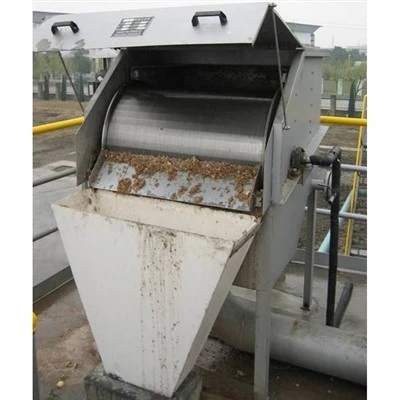
![Rotary Drum Screen For Wastewater Treatment]()
Rotary Drum Screen For Wastewater Treatment
Add to Inquiry -
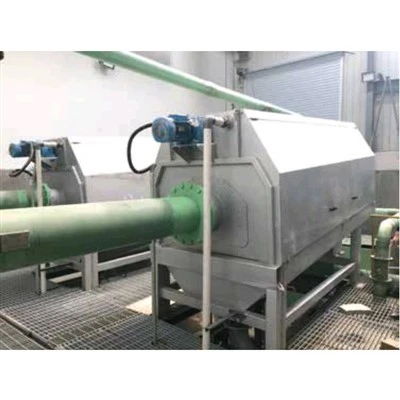
![Internally Fed Rotary Drum Screen]()
Internally Fed Rotary Drum Screen
Add to Inquiry
Your Trusted Rotary Drum Screen Manufacturer and Wastewater Pretreatment Partner
Selecting the right equipment supplier is just as important as choosing the right equipment. At BioCell, we don't simply manufacture wastewater treatment equipment—we work closely with customers to develop reliable, customized solutions that improve treatment performance and maximize return on investment.
Specialized Expertise in Wastewater Treatment
BioCell focuses exclusively on wastewater treatment technologies, enabling us to develop products specifically engineered for challenging municipal and industrial applications. Our extensive industry knowledge helps customers select the most suitable screening solution based on wastewater characteristics, treatment capacity, and project requirements.
Comprehensive Product Portfolio
In addition to rotary drum screens, BioCell provides a complete range of wastewater pretreatment and biological treatment equipment, including: MBBR integrated wastewater treatment systems, MBBR bio media, media retention screens, coarse bubble diffusers, shaftless screw conveyors, screw press sludge dewatering machines, etc.
Customized Engineering Solutions
Every wastewater treatment project is different. Our engineering team works closely with customers to customize: treatment capacity, screen aperture size, drum dimensions, structural materials, installation methods, drive systems, PLC control systems, electrical standards, and automation levels.
Strict Quality Control
Every BioCell rotary drum screen undergoes comprehensive inspections and operational testing before shipment to ensure reliable performance under real operating conditions.
Global Export Experience
Our equipment serves customers across Asia, Europe, the Middle East, Africa, North America, and South America, supporting municipal projects, industrial wastewater treatment facilities, and EPC contractors worldwide.
Professional Technical Support
From equipment selection and process design to installation guidance and after-sales service, BioCell provides comprehensive technical assistance throughout the entire project lifecycle.
What Is a Rotary Drum Screen?
A Rotary Drum Screen is an automatic mechanical screening device designed to separate suspended solids, floating debris, fibers, plastics, and other contaminants from wastewater through continuous solid-liquid separation. As one of the first pieces of equipment installed in a wastewater treatment process, it plays a crucial role in protecting downstream systems and improving overall treatment efficiency.
The equipment consists of a rotating cylindrical drum fitted with precision perforated plates or wedge wire screens. During operation, wastewater flows through the drum while the screen openings retain solid particles larger than the specified aperture. As the drum rotates, retained materials are transported toward the discharge end, where they are automatically removed. At the same time, an integrated spray washing system continuously cleans the screen surface, preventing clogging and maintaining consistent screening performance.
Compared with conventional manual bar screens, rotary drum screens offer several significant advantages:
| √ Higher solids removal efficiency | √ Continuous automatic operation |
| √ Reduced labor requirements | √ Lower maintenance frequency |
| √ Improved hydraulic performance | √ Better protection for downstream pumps and biological treatment systems |
| √ Smaller installation footprint | √ Longer equipment service life |
Depending on process requirements, rotary drum screens can be configured as internally fed, externally fed, channel-mounted, or tank-mounted systems. They are available in various screen aperture sizes, drum diameters, and treatment capacities to suit projects ranging from small decentralized wastewater treatment units to large municipal sewage treatment plants processing thousands of cubic meters of wastewater per hour.
Today, rotary drum screens are widely recognized as one of the most efficient and reliable mechanical pretreatment technologies for municipal sewage, industrial wastewater, food processing effluent, textile wastewater, pulp and paper mills, slaughterhouses, aquaculture facilities, chemical plants, and numerous other industries where dependable solid-liquid separation is essential.
How Does a Rotary Drum Screen Work?
A Rotary Drum Screen is one of the most reliable mechanical screening devices used in wastewater treatment. Its primary function is to continuously separate suspended solids, floating debris, fibers, plastics, food residues, and other contaminants from wastewater before biological or chemical treatment begins. Unlike traditional bar screens that require frequent manual cleaning, a rotary drum screen integrates screening, solids conveying, automatic washing, and solids discharge into one fully automated system. This not only improves treatment efficiency but also reduces maintenance costs and labor requirements.
Step 1: Wastewater Enters the Screening Chamber
Wastewater flows into the rotary drum screen through the inlet channel or feed pipe. Depending on the equipment design, the wastewater is directed either:
● Inside the drum (Internally Fed Rotary Drum Screen)
● Onto the outside of the drum (Externally Fed Rotary Drum Screen)
The flow is evenly distributed across the screen surface to maximize the effective filtration area and maintain stable hydraulic performance.
Step 2: Precision Solid-Liquid Separation
As the wastewater contacts the rotating drum, liquid passes through the precision perforated plate or wedge wire screen while particles larger than the screen aperture are retained. Typical contaminants removed include:
| ● Suspended solids (SS) | ● Plastic fragments | ● Paper fibers | ● Hair and textile fibers |
| ● Organic debris | ● Leaves and twigs | ● Food residues | ● Sludge flocs |
By removing these materials at the pretreatment stage, the rotary drum screen significantly reduces the load on downstream equipment and biological treatment processes.
Step 3: Continuous Drum Rotation
A heavy-duty gear motor drives the drum at a slow, controlled speed. As the drum rotates:
● Captured solids are lifted from the wastewater.
● Solids move gradually toward the discharge end.
● Fresh screen surface is continuously exposed, maintaining high screening efficiency.
The slow rotational speed minimizes wear while ensuring stable, long-term operation.
Step 4: Automatic Self-Cleaning
To prevent clogging and maintain consistent filtration performance, the rotary drum screen is equipped with an automatic high-pressure spray system. As the drum rotates, clean water is sprayed onto the screen surface, washing away accumulated solids and restoring the screen's permeability. This self-cleaning mechanism offers several advantages:
● Maintains stable hydraulic capacity
● Prevents screen blockage
● Reduces manual cleaning requirements
● Extends screen service life
● Minimizes downtime
Step 5: Automatic Solids Discharge
The separated screenings are transported by the rotating drum to the discharge outlet, where they can be:
● Collected in waste bins
● Conveyed by a shaftless screw conveyor
● Compacted for volume reduction
● Sent to sludge treatment systems
The entire process operates continuously, making the rotary drum screen ideal for 24/7 wastewater treatment applications.
Types of Rotary Drum Screens
Selecting the appropriate rotary drum screen depends on wastewater characteristics, treatment capacity, and installation conditions. BioCell offers several configurations to meet diverse project requirements.
Internally Fed Rotary Drum Screen
The internally fed design introduces wastewater into the interior of the rotating drum, allowing water to flow outward through the screen while solids remain inside.
Advantages
● Large effective screening area
● High solids removal efficiency
● Excellent hydraulic performance
● Suitable for medium and large flow rates
● Stable continuous operation
Typical Applications
● Municipal wastewater treatment plants
● Food processing wastewater
● Industrial pretreatment
● Textile wastewater
● Paper mills
Externally Fed Rotary Drum Screen
In this configuration, wastewater flows onto the external surface of the drum. Water passes inward through the screen while solids remain on the outer surface.
Advantages
● Compact footprint
● Easy maintenance
● Suitable for fine screening
● Excellent for process water recycling
Typical Applications
● Aquaculture systems
● Industrial process water
● Water reuse projects
● Fine filtration systems
Fine Rotary Drum Screen
Designed for removing small suspended particles with screen openings typically ranging from 0.25 mm to 2 mm.
Typical Applications
● Food & beverage processing
● Dairy wastewater
● Seafood processing
● Beverage production
● Water reuse
Heavy-Duty Rotary Drum Screen
Engineered for demanding industrial environments with high solids concentrations and abrasive materials.
Typical Applications
● Mining
● Chemical plants
● Municipal sewage
● Landfill leachate
● Pulp & paper industry
Rotary Drum Screen vs. Bar Screen
Many buyers compare rotary drum screens with conventional bar screens when designing or upgrading wastewater treatment systems.
| Feature | Rotary Drum Screen | Bar Screen |
| Screening Precision | High (0.25–10 mm) | Low to Medium |
| Solids Removal Efficiency | Excellent | Moderate |
| Automatic Cleaning | Yes | Limited or Manual |
| Continuous Operation | Yes | Yes (depending on type) |
| Maintenance | Low | Higher |
| Odor Control | Better (enclosed design) | Less effective |
| Footprint | Compact | Larger installation area |
| Suitable for Fine Screening | Excellent | Limited |
Which Is Better?
A bar screen is generally suitable for removing large debris at the very first stage of wastewater treatment. However, when finer solids removal, reduced maintenance, and improved downstream protection are priorities, a rotary drum screen is the preferred solution. For municipal wastewater treatment plants and industrial facilities requiring consistent, automated screening, the rotary drum screen provides significantly higher operational efficiency and lower lifecycle costs.
Rotary Drum Screen vs. Static Screen
Static screens are another common pretreatment option, but they differ significantly from rotary drum screens in performance and automation.
| Feature | Rotary Drum Screen | Static Screen |
| Operation | Automatic | Passive |
| Moving Parts | Yes | No |
| Self-Cleaning | Automatic Spray System | Manual Cleaning |
| Screening Capacity | High | Medium |
| Clogging Resistance | Excellent | Lower |
| Maintenance Frequency | Low | Higher |
| Suitable for Continuous Operation | Excellent | Moderate |
Which Solution Is Right for Your Project?
Static screens can be effective for smaller facilities with relatively clean wastewater and low flow rates. However, for municipal wastewater treatment plants and industrial operations handling high volumes or fibrous solids, a rotary drum screen delivers superior reliability, automation, and treatment efficiency.
Key Features & Benefits of Rotary Drum Screen
BioCell Rotary Drum Screens are designed to meet the demanding requirements of municipal and industrial wastewater treatment plants. By combining advanced mechanical engineering, premium materials, and intelligent automation, our equipment helps customers improve pretreatment efficiency while reducing operating costs.
High Screening Efficiency
The precision-engineered rotating drum maximizes the available screening surface area, allowing wastewater to pass evenly through the screen while effectively retaining suspended solids and floating debris.
This high-efficiency design improves the performance of downstream treatment processes by reducing the load on biological reactors, pumps, and sludge handling systems.
Continuous Automatic Operation
BioCell rotary drum screens are designed for fully automatic 24/7 operation.
The integrated drive system continuously rotates the drum, transports captured solids, and maintains stable treatment performance without requiring constant operator attention. This automation significantly reduces labor costs while improving plant reliability.
Automatic Self-Cleaning System
One of the most important advantages of the rotary drum screen is its automatic cleaning mechanism. High-pressure spray nozzles continuously wash the screen surface, preventing clogging and maintaining optimal hydraulic capacity. Benefits include:
| ● Stable screening efficiency | ● Reduced maintenance | ● Longer screen life |
| ● Lower operating costs | ● Improved process reliability |
Superior Protection for Downstream Equipment
By removing suspended solids before biological treatment, BioCell rotary drum screens help protect:
| ● Transfer pumps | ● Aeration systems | ● MBBR reactors |
| ● Membrane filtration systems | ● Sludge dewatering equipment | ● Pipelines and valves |
This protection reduces equipment wear, minimizes downtime, and extends the service life of the entire treatment system.
Durable Stainless Steel Construction
All wetted components are manufactured from high-quality SS304 stainless steel, with SS316 stainless steel available for highly corrosive environments.
The corrosion-resistant construction ensures long-term durability in municipal sewage, industrial wastewater, seawater, and chemical processing applications.
Compact and Space-Saving Design
The integrated design combines screening, washing, solids transport, and discharge into a single compact unit.
This minimizes installation space and simplifies plant layout, making it ideal for both new wastewater treatment plants and retrofit projects with limited available space.
Energy-Efficient Operation
BioCell rotary drum screens are equipped with high-efficiency gear motors that consume minimal power while delivering continuous and reliable performance.
Low energy consumption translates into reduced operating expenses throughout the equipment's service life.
Flexible Customization
Every wastewater treatment project has unique process requirements. BioCell provides customized solutions, including:
| ● Screen aperture sizes | ● Drum diameter and length | ● Treatment capacity |
| ● SS304 or SS316 construction | ● Perforated plate or wedge wire screens | ● PLC automation systems |
| ● Variable frequency drives (VFD) | ● Explosion-proof motors | ● Customized inlet and outlet configurations |
This flexibility ensures that each rotary drum screen is optimized for the customer's specific application.
Low Maintenance and Long Service Life
The robust mechanical design, premium components, and automatic cleaning system minimize wear and reduce maintenance frequency. Routine inspections are straightforward, helping operators keep the equipment running efficiently with minimal downtime.
For wastewater treatment plants seeking dependable, long-term performance, BioCell rotary drum screens provide an excellent balance of durability, operational efficiency, and total cost of ownership.
Environmentally Friendly Operation
The enclosed design helps reduce odor emissions, prevent wastewater splashing, and improve workplace safety. By efficiently removing solids at the pretreatment stage, the system also contributes to lower energy consumption in downstream treatment processes and supports compliance with increasingly stringent environmental regulations.
Technical Specifications - Engineered for Diverse Wastewater Treatment Applications
BioCell Rotary Drum Screens are available in a wide range of standard and customized configurations to meet the operational requirements of municipal sewage treatment plants, industrial wastewater facilities, and water reuse projects. Whether your project requires a compact screening unit for a small treatment plant or a high-capacity system for large municipal installations, our engineering team can tailor the equipment to your specific process conditions.
The following technical specifications represent the typical design range of the BioCell Rotary Drum Screen. Customized models are available based on wastewater characteristics, screening requirements, and installation constraints.
Technical Specifications of RSM Series Rotary Drum Screen
| Gap (mm) | 0.25 | 0.5 | 0.75 | 1.0 | 1.5 | 2.5 |
Drum Diameter (mm) |
Drum Length (mm) |
Power (kW) |
| Model | Reference Water Flow Rate (m³/h) | ||||||||
| RSM3560 | 13 | 24 | 33 | 41 | 53 | 62 | 350 | 600 | 0.25 |
| RSM610 | 31 | 57 | 78 | 96 | 125 | 146 | 610 | 610 | 0.55 |
| RSM1220 | 66 | 114 | 156 | 193 | 249 | 293 | 610 | 1220 | 0.75 |
| RSM1830 | 94 | 178 | 234 | 288 | 374 | 439 | 610 | 1830 | 0.75 |
| RSM81830 | 151 | 275 | 377 | 463 | 601 | 706 | 800 | 1830 | 1.10 |
Technical Specifications of GTS Series Rotary Drum Screen
| Model | Reference Flow Rate (m³/h) | Gap (mm) | Drum Diameter (mm) | Drum Length (mm) | Power (kW) |
| GTS612 | 18~32 | 1~5 | φ600 | 1200 | 1.5 |
| GTS818 | 54-108 | 1~5 | φ880 | 1800 | 1.5 |
| GTS1225 | 180-486 | 1~5 | φ1200 | 2500 | 3.0 |
| GTS1530 | 300~1044 | 1~5 | φ1500 | 3000 | 7.5 |
Custom Design Available
BioCell provides complete customization based on:
| ● Required flow rate | ● Wastewater composition | ● Suspended solids concentration |
| ● Installation space | ● Civil engineering drawings | ● Local electrical standards |
| ● Customer brand requirements (OEM) | ||
Every project begins with a detailed engineering evaluation to ensure maximum operational efficiency and long-term reliability.
Application Industries of Rotary Drum Screen
Rotary Drum Screens are among the most versatile mechanical pretreatment systems available today. Their ability to continuously remove suspended solids makes them suitable for virtually every industry where wastewater contains coarse or fine particulate matter.
BioCell has supplied rotary drum screening equipment for a wide range of industries worldwide.
Municipal Wastewater Treatment
Municipal wastewater contains plastics, paper, textiles, organic matter, sand, and floating debris that can interfere with downstream treatment.
| BioCell Rotary Drum Screens are commonly installed at: | Benefits |
|
● Municipal sewage treatment plants ● Pumping stations ● Combined sewer overflow (CSO) systems ● Wastewater pretreatment facilities ● Water reclamation plants |
● Protects pumps and pipelines ● Reduces maintenance costs ● Improves biological treatment efficiency ● Reduces sludge accumulation ● Extends equipment lifespan |
Food & Beverage Processing
Food manufacturing generates wastewater containing organic solids, vegetable residues, fruit pulp, fats, proteins, and suspended particles.
| Typical applications include: | Benefits |
|
● Dairy factories ● Meat processing plants ● Seafood processing ● Beverage production ● Breweries ● Fruit and vegetable processing |
● Removes food residues before biological treatment ● Reduces organic loading (BOD/COD) ● Improves downstream process stability ● Supports water reuse initiatives
|
Pulp & Paper Industry
Paper mills produce wastewater rich in fibers, pulp particles, fillers, and suspended solids. BioCell Rotary Drum Screens effectively recover valuable fibers while protecting treatment systems. Applications include:
| ● Fiber recovery | ● White water treatment | ● Paper machine wastewater | ● Pulp washing systems |
Textile & Dyeing Industry
Textile wastewater often contains:
| ● Fibers | ● Yarn residues | ● Dye particles | ● Suspended solids |
Rotary Drum Screens help reduce pollutant loads before chemical or biological treatment, improving overall plant efficiency.
Chemical & Pharmaceutical Industry
Chemical production wastewater frequently contains abrasive particles, precipitates, and process residues. BioCell offers corrosion-resistant SS316 Rotary Drum Screens suitable for demanding chemical environments. Applications include:
| ● Chemical manufacturing | ● Pharmaceutical production | ● Fine chemical processing | ● Industrial process water |
Slaughterhouses & Meat Processing
Wastewater from slaughterhouses contains blood, tissue, fat, hair, and organic solids that can rapidly clog downstream equipment. Rotary Drum Screens efficiently separate these materials, helping facilities comply with environmental discharge regulations.
Aquaculture & Fisheries
Modern recirculating aquaculture systems (RAS) require continuous removal of suspended solids to maintain water quality. Applications include:
| ● Fish farms | ● Shrimp farming | ● Hatcheries | ● Aquaculture water recycling |
Landfill Leachate Treatment
Leachate often contains high concentrations of suspended solids and floating debris. Rotary Drum Screens provide reliable pretreatment before membrane filtration, MBBR systems, or advanced oxidation processes.
Other Industrial Applications
BioCell Rotary Drum Screens are also widely used in:
| ● Mining wastewater | ● Power plants | ● Sugar processing | ● Palm oil mills |
| ● Starch production | ● Biomass facilities | ● Recycling plants | ● Industrial water reuse systems |
Selection Guide - Selecting the Right Rotary Drum Screen for Your Project
Every wastewater treatment project is unique. Selecting the right Rotary Drum Screen requires evaluating several process and operational factors. A properly selected screen improves treatment efficiency, reduces operating costs, and extends equipment life. Below are the key factors that engineers and purchasing managers should consider.
Wastewater Flow Rate
The first step is determining the design flow rate.
Key parameters include:
● Average flow rate (m³/h)
● Peak flow rate
● Daily wastewater volume
● Future capacity expansion
Selecting a screen with sufficient hydraulic capacity ensures stable operation during peak loading conditions.
Wastewater Characteristics
Understanding the wastewater composition is essential.
Questions to consider include:
● What types of solids are present?
● Are the particles fibrous or abrasive?
● Is the wastewater highly corrosive?
● Does it contain grease or oil?
● What is the suspended solids (SS) concentration?
These characteristics influence the selection of screen type, material, and cleaning system.
Screen Opening Size
Screen aperture determines the size of particles removed.
General recommendations:
● 0.25–0.5 mm: Fine filtration, water reuse
● 0.5–1 mm: Food processing, aquaculture
● 1–2 mm: Municipal wastewater
● 2–3 mm: Industrial pretreatment
● 3–10 mm: Coarse solids removal
Choosing an excessively small opening may reduce hydraulic capacity, while an overly large opening may allow unwanted solids to pass through.
Material Selection
BioCell offers several material options depending on operating conditions.
SS304 Stainless Steel: Recommended for:
● Municipal wastewater
● General industrial wastewater
● Food processing
SS316 Stainless Steel: Recommended for:
● Chemical wastewater
● Coastal projects
● High-chloride environments
● Corrosive process water
Installation Requirements
The installation environment affects equipment selection.
Consider:
● Available installation space
● Existing channel dimensions
● Tank depth
● Maintenance access
● Civil engineering constraints
BioCell engineers can recommend the most suitable installation method for your project.
Automation Requirements
Modern wastewater treatment plants increasingly require intelligent automation.
Optional automation features include:
● PLC control system
● Touch-screen HMI
● Variable Frequency Drive (VFD)
● Automatic alarm system
● Remote monitoring
● SCADA communication
● IoT-enabled diagnostics
These functions improve operational efficiency while reducing labor requirements.
How to Choose the Right Rotary Drum Screen
Before requesting a quotation, prepare the following information:
Process Information
● Required treatment capacity (m³/h)
● Wastewater source
● Solid particle size
● Suspended solids concentration
● Water temperature
● pH value
Installation Information
● Available installation space
● Existing channel dimensions
● Inlet and outlet elevations
● Power supply requirements
● Local electrical standards
Equipment Requirements
● Preferred screen aperture
● Preferred material (SS304/SS316)
● Automatic or manual control
● Indoor or outdoor installation
● Required accessories
Providing this information allows BioCell engineers to recommend the most suitable equipment configuration and prepare an accurate quotation quickly.
Optional Configurations - Customized Solutions for Every Wastewater Treatment Project
Every BioCell Rotary Drum Screen can be configured to match specific project requirements. Available customization options include:
| Screen Options |
● Perforated Plate Screen ● Wedge Wire Screen ● Fine Mesh Screen ● Heavy-Duty Screen Drum |
| Material Options |
● SS304 Stainless Steel ● SS316 Stainless Steel ● Duplex Stainless Steel (Optional) |
| Drive System Options |
● Premium Gear Motor ● Variable Frequency Drive (VFD) ● Explosion-Proof Motor (ATEX Optional) |
| Control System Options |
● Manual Control Panel ● Siemens PLC ● Schneider Electric Components ● Touch Screen HMI ● Remote SCADA Integration |
| Cleaning System Options |
● Standard High-Pressure Spray ● Adjustable Spray Nozzles ● Automatic Water-Saving Control ● Dual Cleaning Manifold |
| Structural Options |
● Channel Mounted ● Tank Mounted ● Skid Mounted ● Containerized Pretreatment Unit |
| Integrated Pretreatment Solutions |
For customers seeking a complete mechanical pretreatment package, BioCell can integrate the Rotary Drum Screen with complementary equipment, including: ● Shaftless Screw Conveyor ● Screw Press Sludge Dewatering Machine ● MBBR Integrated Wastewater Treatment System ● MBBR Bio Media ● Media Retention Screen ● Coarse Bubble Diffuser ● PLC Central Control System |
By delivering a fully integrated pretreatment solution, BioCell helps simplify installation, improve equipment compatibility, and reduce overall project implementation time.
Your Reliable OEM & ODM Rotary Drum Screen Manufacturing Partner
At BioCell, we understand that every wastewater treatment project presents unique technical challenges. Different industries, wastewater characteristics, treatment capacities, installation environments, and local regulations require customized screening solutions rather than standardized equipment. As a professional Rotary Drum Screen manufacturer, BioCell provides comprehensive OEM (Original Equipment Manufacturing) and ODM (Original Design Manufacturing) services for global distributors, engineering companies, EPC contractors, environmental equipment brands, and wastewater treatment solution providers.
Whether you need a customized screening system for a municipal wastewater treatment plant or private-label manufacturing for your own brand, BioCell delivers flexible, reliable, and cost-effective solutions backed by experienced engineers and advanced manufacturing capabilities.
OEM Manufacturing Services
BioCell offers complete OEM manufacturing services according to customer specifications. We Can Customize:
| Equipment Capacity |
10–2,000+ m³/h Municipal wastewater & industrial wastewater High-flow screening systems |
| Screen Aperture |
Available screen openings include: 0.25 mm/ 0.5 mm/ 0.75 mm/ 1 mm/ 2 mm/ 3 mm/ 5 mm/ 10 mm Custom apertures are also available. |
| Screen Types |
Choose from: Perforated Plate Screen/ Wedge Wire Screen/ Fine Mesh Drum/ Heavy-Duty Industrial Drum |
| Material Selection |
Depending on wastewater characteristics: SS304 Stainless Steel / SS316 Stainless Steel Duplex Stainless Steel (Optional) / Carbon Steel with Anti-Corrosion Coating |
| Structural Configuration |
BioCell can customize: Drum diameter/ Drum length/ Inlet position/ Outlet position/ Support frame/ Cover design/ Channel-mounted configuration/ Tank-mounted configuration/ Skid-mounted units |
| Electrical System |
We manufacture equipment suitable for worldwide electrical standards. Options include: 220V / 380V / 400V / 415V / 440V 50Hz / 60Hz Siemens/ Schneider/ ABB/ Mitsubishi |
| Control System |
Optional automation includes: PLC Control/ Touch Screen HMI/ SCADA Integration/ Remote Monitoring/ Variable Frequency Drive (VFD)/ Automatic Alarm System |
ODM Design Services
BioCell's engineering team can develop customized rotary drum screening equipment based on your application requirements.
ODM services include:
| ● Product design optimization | ● Structural engineering | ● Hydraulic calculation |
| ● 3D modeling | ● CAD drawings | ● Mechanical design |
| ● Prototype development | ● Performance optimization | ● Installation guidance |
Our engineers work closely with customers throughout every stage of product development, from concept to commercial production.
Frequently Asked Questions
Q1: What is a Rotary Drum Screen?
A: A Rotary Drum Screen is an automatic mechanical screening device used to remove suspended solids, fibers, plastics, and other debris from wastewater during the pretreatment stage. It protects downstream treatment equipment and improves overall treatment efficiency.
Q2: How does a Rotary Drum Screen work?
A: Wastewater flows through a rotating cylindrical screen. Water passes through the screen openings, while solid particles are retained on the drum surface. The rotating drum transports the captured solids to the discharge end, where they are automatically removed. An integrated spray system continuously cleans the screen to prevent clogging.
Q3: What industries use Rotary Drum Screens?
A: Rotary Drum Screens are widely used in:
● Municipal wastewater treatment
● Food and beverage processing
● Pulp and paper mills
● Textile and dyeing plants
● Chemical and pharmaceutical industries
● Slaughterhouses
● Aquaculture
● Recycling facilities
● Landfill leachate treatment
● Industrial process water systems
Q4: What screen opening sizes are available?
A: BioCell offers screen apertures ranging from 0.25 mm to 10 mm, with customized sizes available for specific applications.
Q5: What materials are available?
A: Standard construction uses SS304 stainless steel, while SS316 stainless steel is recommended for corrosive environments, including chemical plants and coastal wastewater treatment facilities.
Q6: How do I choose the right Rotary Drum Screen?
A: Selection should be based on:
● Wastewater flow rate
● Suspended solids concentration
● Particle size
● Installation conditions
● Required screening efficiency
● Corrosion resistance requirements
● Automation level
Our engineering team can recommend the optimal configuration after reviewing your project details.
Q7: Can the Rotary Drum Screen operate continuously?
A: Yes. BioCell Rotary Drum Screens are designed for continuous 24/7 operation with automatic screening, cleaning, and solids discharge, making them suitable for municipal and industrial wastewater treatment plants.
Q8: Does the equipment require frequent maintenance?
A: No. The automatic self-cleaning system minimizes clogging and reduces maintenance. Routine inspections of the motor, gearbox, bearings, and spray nozzles are generally sufficient to ensure long-term reliable operation.
Q9: Can BioCell customize the equipment?
A: Yes. We provide comprehensive customization services, including:
● Flow capacity
● Drum dimensions
● Screen aperture
● Structural materials
● Drive systems
● PLC control
● Installation methods
● Electrical standards
● Branding (OEM)
Q10: Can the Rotary Drum Screen be integrated with other wastewater treatment equipment?
A: Absolutely. BioCell can integrate the Rotary Drum Screen with:
● MBBR Integrated Wastewater Treatment Systems
● MBBR Bio Media
● Shaftless Screw Conveyors
● Screw Press Sludge Dewatering Machines
● Coarse Bubble Diffusers
● Media Retention Screens
This creates a complete and efficient wastewater pretreatment solution.
Q11: What certifications and quality standards does BioCell follow?
A: BioCell manufactures its equipment under a strict quality management system using high-quality raw materials and precision manufacturing processes. Products can be supplied to meet international project requirements, and supporting inspection reports and documentation are available upon request.
Q12: How long is the production lead time?
A: Production time depends on equipment size and customization requirements. Standard models generally have shorter lead times, while fully customized systems require additional engineering and manufacturing time. Our sales team will provide a detailed schedule with your quotation.
Q13: Do you provide installation and technical support?
A: Yes. BioCell offers comprehensive technical support, including equipment selection, layout recommendations, installation guidance, commissioning assistance, operation training, and after-sales service to ensure successful project implementation.
Q14: Do you offer OEM and private-label manufacturing?
A: Yes. We provide OEM and private-label manufacturing services, including custom logos, nameplates, packaging, product documentation, and branded marketing materials for distributors and equipment suppliers.
Q15: How can I request a quotation?
A: Simply send us your project information, including wastewater type, flow rate, solids characteristics, installation requirements, and preferred specifications. Our engineering team will prepare a customized technical proposal and competitive quotation promptly.
Partner with BioCell for Reliable Rotary Drum Screen Solutions
Whether you are designing a new municipal wastewater treatment plant, upgrading an industrial wastewater system, or sourcing equipment for an EPC environmental project, BioCell provides dependable Rotary Drum Screen solutions engineered for efficiency, durability, and long-term performance.
With extensive experience serving customers worldwide, we deliver more than just equipment—we provide customized engineering support, precision manufacturing, and responsive technical service to help you achieve reliable wastewater pretreatment and lower operating costs.
Request Your Free Technical Consultation Today
Our wastewater treatment specialists are ready to help you select the ideal Rotary Drum Screen for your application. Contact BioCell to receive:
● Free project consultation
● Customized equipment selection
● Technical drawings and layout recommendations
● Detailed product catalog and datasheets
● Competitive factory quotation
● Rapid response within 24 hours
Let's Build a More Efficient Wastewater Treatment System Together
Contact BioCell today to discuss your project requirements and discover how our customized Rotary Drum Screen solutions can improve your plant's performance, reduce maintenance costs, and support long-term operational success.
As one of the most professional rotary drum screen manufacturers and suppliers in China, we're featured by good service and competitive price. Please rest assured to buy high quality rotary drum screen for sale here from our factory. Contact us for custom service.
