

How often should a Media Retention Screen be replaced?
Oct 01, 2026
Hey there! As a supplier of Media Retention Screens, I often get asked the big question: How often should a Media Retention Screen be replaced? Well, let's dive right into it and break down the factors that can help you figure out the ideal replacement schedule.
Understanding Media Retention Screens
First off, let's quickly go over what Media Retention Screens are. They're crucial components in various filtration systems, used to keep media like activated carbon, sand, or resin in place while allowing the fluid to pass through. These screens come in different shapes, sizes, and materials, each designed for specific applications. For example, we've got the 316 Stainless Steel Wedge Wire Screen Pipe which is super durable and corrosion - resistant, making it great for harsh environments. Then there's the Wedge Wire Pipe, known for its high - strength and efficient filtration capabilities.
Factors Affecting Replacement Frequency
1. Type of Media
The type of media the screen is retaining plays a huge role. For instance, if you're using a screen to hold activated carbon, it might need more frequent replacement. Activated carbon has a high adsorption capacity, but as it adsorbs contaminants, it can become clogged more quickly. On the other hand, screens used for coarse sand media might last longer because sand is less likely to cause blockages in the screen openings.
2. Operating Conditions
The operating conditions of the system are also key. If the system is running continuously at a high flow rate, the screen will experience more wear and tear. High - pressure applications can also put additional stress on the screen, causing it to degrade faster. In a wastewater treatment plant, for example, screens in the Wastewater Screens For MBBR System are exposed to a variety of pollutants and high - volume flows, so they may need to be replaced more often compared to a system with a lower flow rate and cleaner fluids.
3. Water Quality
The quality of the fluid passing through the screen matters a lot. If the water has high levels of suspended solids, chemicals, or other contaminants, it will accelerate the clogging and corrosion of the screen. For example, in an industrial setting where the water contains heavy metals or abrasive particles, the screen may need to be replaced every few months. In contrast, if the water is relatively clean, like in some small - scale residential filtration systems, the screen might last for a year or more.
4. Material of the Screen
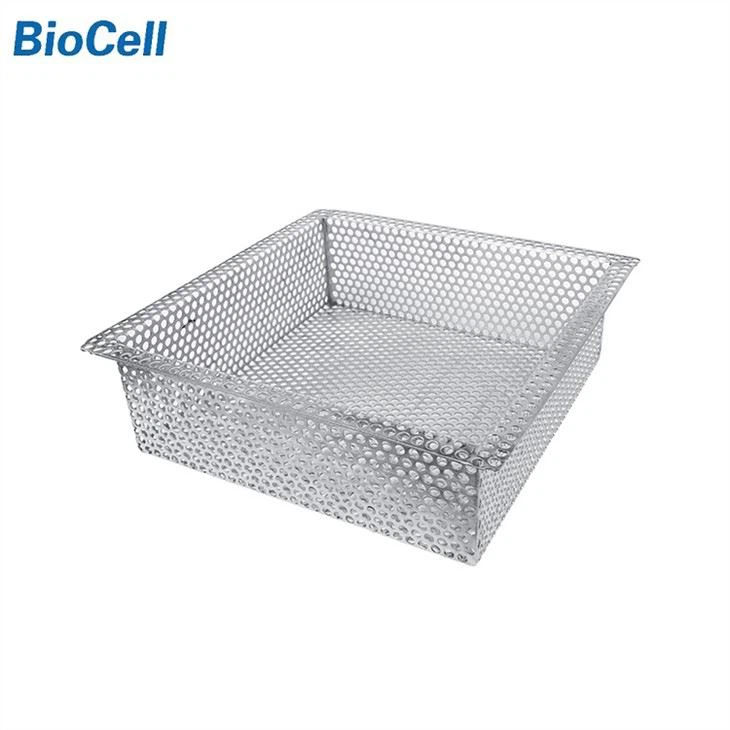
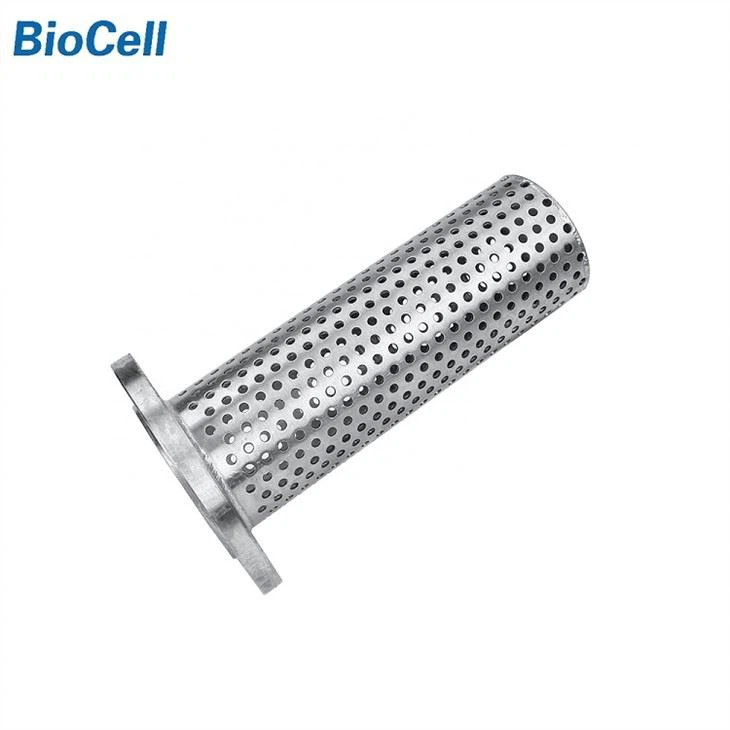
The material of the screen affects its lifespan. Stainless steel screens, such as the Stainless Steel Perforated Filter Tube, are highly resistant to corrosion and can withstand tough conditions. They generally last longer than screens made from other materials. However, if the screen is made from a less durable material and is exposed to harsh chemicals or high - temperature environments, it may need to be replaced more frequently.
General Guidelines for Replacement
Based on the factors above, here are some general guidelines for replacing Media Retention Screens:
- Low - stress Systems: In systems where the media is relatively clean, the flow rate is low, and the operating conditions are mild, you might be able to get away with replacing the screen every 1 - 2 years. For example, a small - scale aquarium filtration system using a Perforated Plate Filter Cartridge with clean water and a slow - moving flow could fall into this category.
- Medium - stress Systems: For systems with moderate flow rates, some contaminants in the fluid, and normal operating pressures, the screen should be replaced every 6 - 12 months. This could be a small - to - medium - sized commercial water treatment system.
- High - stress Systems: In high - flow, high - pressure systems with dirty fluids, such as large industrial wastewater treatment plants, the screens may need to be replaced every 1 - 3 months. These systems are working hard around the clock, and the screens take a lot of abuse.
Monitoring and Maintenance
Of course, these are just guidelines. The best way to determine when to replace a screen is through regular monitoring. You can look for signs like a decrease in flow rate, an increase in pressure drop across the screen, or visible damage to the screen itself. Regular maintenance, such as backwashing or cleaning the screen, can also extend its lifespan. But if the screen is damaged or severely clogged, it's time for a replacement.
Why Choose Our Media Retention Screens
As a supplier, we take pride in offering high - quality Media Retention Screens. Our products are made from top - notch materials, designed to withstand a wide range of operating conditions. Whether you need a screen for a small residential project or a large - scale industrial application, we've got you covered. Our team of experts can also provide you with personalized advice on the best screen for your specific needs and help you figure out the right replacement schedule.
Let's Connect!
If you're in the market for a new Media Retention Screen or have any questions about replacements, don't hesitate to reach out. We're here to help you make the best decisions for your filtration system. Whether it's finding the right screen or understanding the replacement frequency, we've got the knowledge and experience to assist you.