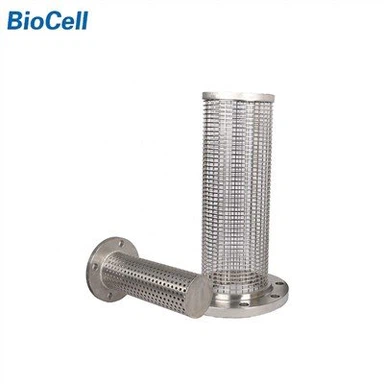
How does the pH of the water affect a Coarse Bubble Air Diffuser?
Jul 15, 2026
Yo, folks! I'm an industry insider and the supplier of Coarse Bubble Air Diffusers. Today, we're gonna dive into a hot topic: how the pH of the water affects a Coarse Bubble Air Diffuser.
First off, let's get a basic understanding of what a Coarse Bubble Air Diffuser is. Coarse Bubble Diffusers are designed to introduce air into a liquid, usually water, in the form of large bubbles. They're commonly used in wastewater treatment plants, aquaculture, and other industrial applications. You can check out our Coarse Bubble Diffusers for more details on the products we offer.
Now, let's talk about pH. pH is a measure of how acidic or basic the water is. It's on a scale from 0 to 14, with 7 being neutral. Water with a pH less than 7 is acidic, and water with a pH greater than 7 is basic. The pH of the water can have a significant impact on how our Coarse Bubble Air Diffusers work.
Effect of Acidic Water
When the water is acidic (pH < 7), it's like a warrior ready to attack our diffusers. The low pH means there are more hydrogen ions in the water. These hydrogen ions can react with the materials our diffusers are made of.
Most of our diffusers are made from materials like 304 stainless steel. In acidic water, the 304 stainless steel can undergo corrosion. The hydrogen ions can react with the iron in the steel, gradually breaking it down. This corrosion can lead to pitting on the surface of the diffuser. Pitting is like little holes forming in the metal. As these holes get bigger, the structural integrity of the diffuser is compromised. The diffuser may start to leak air from unexpected places, which reduces its efficiency. For those interested in our 304 Stainless Steel Coarse Bubble Diffuser, it's important to be aware of this potential issue.
Another problem with acidic water is that it can affect the bubble formation. The chemical reactions happening in the water due to the low pH can change the surface tension of the water. Surface tension is what allows the bubbles to form and stay intact. When the surface tension changes, the bubbles may not form as easily or may break up more quickly. This means that the air distribution in the water won't be as effective. In a wastewater treatment plant, for example, this could lead to poor oxygen transfer, which is crucial for the biological processes that break down the waste.
Impact of Basic Water
On the other hand, when the water is basic (pH > 7), we have a different set of problems. Basic water has a high concentration of hydroxide ions. These ions can react with the metals in the diffuser to form metal hydroxides.
For our SS304 Coarse Bubble Diffuser, the basic water can cause a layer of metal hydroxide to form on the surface. This layer acts like a barrier. It can block the air holes in the diffuser, preventing the air from coming out properly. As a result, the diffuser will have reduced airflow, and the overall performance will drop.
The high pH can also make the water more likely to form scale deposits. Scale is a hard, crusty substance that can build up on the diffuser over time. Scale deposits not only reduce the efficiency of the diffuser but can also be difficult to remove. If the scale builds up too much, it may even cause the diffuser to fail completely.
Optimal pH Range
So, what's the sweet spot for the pH of the water when using our Coarse Bubble Air Diffusers? Generally speaking, a pH range between 6 and 8 is the most ideal. In this range, the chemical reactions in the water are less likely to cause significant damage to the diffuser materials.
When the pH is around 7 (neutral), the surface tension of the water is relatively stable, allowing for proper bubble formation and good air distribution. The metals in the diffuser aren't subjected to extreme chemical reactions that could lead to corrosion or scale formation. So, if you're operating a system with our diffusers, keeping the water pH in this range is gonna save you a lot of headaches down the road.


Applications in Different pH Conditions
Let's take a look at how our diffusers are used in different applications with varying pH levels.
In aquaculture, the pH of the water can vary depending on the type of fish or other aquatic organisms being raised. Some species prefer slightly acidic water, while others thrive in more basic conditions. For ponds with slightly acidic water, our diffusers can still work well, but regular maintenance is key. You need to check for signs of corrosion and clean the diffusers regularly to ensure they're functioning properly.
In wastewater treatment plants, the pH of the wastewater can vary widely depending on the source. Industrial wastewater may be highly acidic or basic, while domestic wastewater is usually closer to neutral. For grit chambers, which are an important part of the wastewater treatment process, our Coarse Bubble Diffuser for Grit Chamber is designed to handle different pH conditions. However, it's still important to monitor and adjust the pH if necessary to optimize the performance of the diffuser.
Aeration Efficiency and pH
The pH of the water also has a direct impact on the aeration efficiency of our Coarse Bubble Air Diffusers. Aeration efficiency refers to how effectively the diffuser can transfer oxygen from the air into the water.
As we've discussed, both acidic and basic water can cause problems that reduce the ability of the diffuser to form and distribute bubbles evenly. When the bubbles are smaller and more evenly distributed, the oxygen transfer rate is higher. But in water with extreme pH levels, the bubbles may be larger and less stable, leading to a lower oxygen transfer rate.
Our Broad Band Coarse Bubble Aeration system is designed to be as efficient as possible, even in challenging pH conditions. However, maintaining the appropriate pH in the water can still significantly improve its performance.
Monitoring and Adjusting pH
So, how can you make sure the pH of the water is in the right range for your Coarse Bubble Air Diffuser? First, you need to monitor the pH regularly. There are simple pH testing kits available in the market that you can use to measure the pH of the water.
If the pH is too acidic, you can add a base, such as sodium hydroxide, to raise the pH. Conversely, if the pH is too basic, you can add an acid, such as hydrochloric acid, to lower the pH. However, it's important to be careful when adding these chemicals. Adding too much can cause sudden and large pH changes, which can be even more damaging to the diffuser and the overall system.
Conclusion
In conclusion, the pH of the water has a huge impact on our Coarse Bubble Air Diffusers. Whether the water is acidic or basic, it can cause problems like corrosion, scale formation, and reduced aeration efficiency. By understanding these effects and taking steps to monitor and adjust the pH, you can ensure that your diffusers work at their best for a long time.
If you're in the market for high - quality Coarse Bubble Air Diffusers or have any questions about how they perform in different pH conditions, don't hesitate to reach out. We're here to help you make the best decision for your specific needs. Let's have a chat and see how we can work together to solve your aeration problems.