What Is A Sludge Dewatering Screw Press
Jan 11, 2025
BioCell sludge dewatering screw press is a mechanical device used in wastewater treatment plants and other industries to separate water from sludge. The primary goal is to reduce the volume of sludge by removing a significant portion of its water content. This dewatered sludge is then easier to handle, transport, and dispose of.

Structure and Working Principle
Screw Conveyor: At the heart of the screw press is a helical screw conveyor. The screw is usually made of stainless steel to resist corrosion from the sludge. As the sludge enters the screw press, the screw rotates and pushes the sludge forward along a cylindrical or conical chamber. The pitch and diameter of the screw may vary along its length to gradually compress the sludge as it moves.
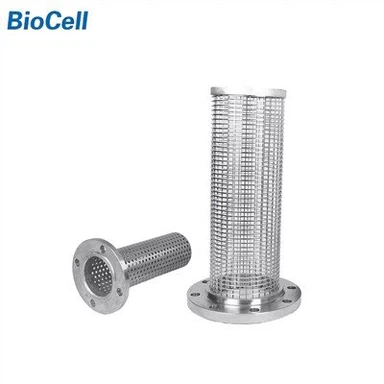
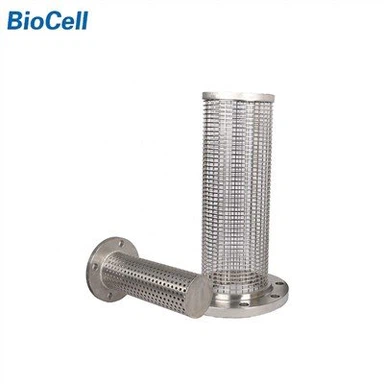
Screen or Filter: Surrounding the screw conveyor is a screen or filter element. This is typically made of stainless steel wire mesh or perforated plates. The size of the holes or openings in the screen is designed to allow water to pass through while retaining the solid particles of the sludge. As the sludge is pushed by the screw, the pressure builds up, forcing the water out through the screen and leaving behind a more concentrated sludge cake.
Drive Mechanism: The screw is powered by an electric motor through a gearbox or a direct - drive system. The rotational speed of the screw can be adjusted to control the dewatering process. A slower speed may provide more effective dewatering but at a lower throughput, while a faster speed can handle more sludge volume but might result in less - efficient dewatering.
Advantages
High - Efficiency Dewatering: It can achieve a relatively high degree of dewatering. Depending on the type of sludge and the operating conditions, the moisture content of the sludge can be reduced from an initial range of 95 - 99% (in liquid sludge) to as low as 60 - 80% in the dewatered sludge cake. This significant reduction in volume makes subsequent sludge handling much more manageable.
Continuous Operation: Screw presses are capable of continuous operation, which is beneficial for large - scale wastewater treatment plants that generate a constant flow of sludge. They can handle a wide range of sludge volumes and viscosities, making them a versatile option.
Low Maintenance: They generally have a simple mechanical structure with fewer moving parts compared to some other dewatering equipment. This results in lower maintenance requirements and less downtime. The stainless - steel construction also makes them more durable and resistant to wear and tear from the abrasive nature of sludge.
Chemical - Free Operation (Optional): In many cases, sludge dewatering screw presses can operate without the need for chemical additives. This is an advantage in terms of cost - savings and environmental impact, as it reduces the use of chemicals such as polymers that are sometimes used in other dewatering methods.
https://www.biocell-enviro.com/